
The Allure of Chance and Uncertainty
One of the primary psychological factors driving players to casinos is the allure of chance and uncertainty. The thrill of not knowing if you will win or lose can be incredibly enticing. This unpredictability creates a sense of excitement and keeps players engaged, as they are often driven by the hope of hitting a big jackpot or winning a substantial amount of money. In fact, many players have turned to pa casino apps for easy access to their favorite games, and the emotional rollercoaster associated with gambling can lead to an adrenaline surge, making the experience both exhilarating and addictive.
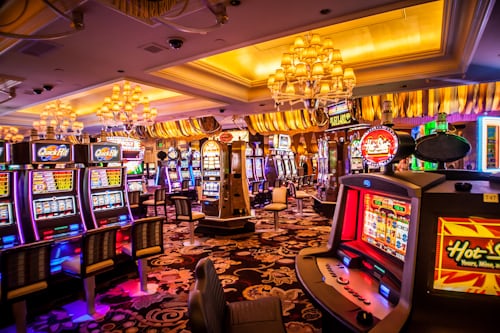
This dynamic taps into human psychology; people are naturally inclined to take risks, particularly when there is a possibility of reward. Casinos are designed with this in mind, utilizing bright lights, captivating sounds, and vibrant environments to enhance the emotional experience associated with gambling. This sensory overload amplifies the desire to gamble, compelling players to return for more, often with the belief that luck may be just around the corner.
The Role of Social Interaction
Social interaction plays a significant role in the appeal of casino gambling. Many players enjoy the communal aspects of gaming, whether it’s engaging in lively conversations with fellow gamblers, sharing in the excitement of a win, or simply being part of a dynamic environment. Casinos often create spaces that foster social interaction, such as poker tables and slot machine areas where players can connect with others, enhancing their overall experience.
This social component can be particularly appealing for those who may feel isolated in their everyday lives. Gambling offers a sense of community and belonging, allowing players to bond over shared experiences. This social aspect not only contributes to the enjoyment of gambling but can also reinforce the desire to return, as players seek to maintain those connections and recreate the fun they had during their visits.
The Impact of Behavioral Reinforcement
The psychology of gambling is also deeply rooted in behavioral reinforcement. When players experience wins, particularly significant ones, it reinforces their behavior and encourages them to gamble again. This is commonly referred to as the “near-miss effect,” where close calls can perpetuate the desire to play. Players may leave the casino feeling hopeful that their next visit will result in a similar outcome, leading to a cycle of repeated gambling.
Moreover, many casinos employ techniques that further enhance this reinforcement. For instance, loyalty programs and bonuses reward players for their continued patronage, creating a sense of investment and attachment to the casino brand. This can lead to a compulsion to return, as players chase the next win or seek to maximize rewards, resulting in a routine that is hard to break.
The Power of Marketing and Promotions
Casinos utilize sophisticated marketing strategies to attract and retain players. This includes promotional offers, free plays, and targeted advertising that cater to individuals’ gambling habits. Such strategies create an enticing environment where players feel compelled to return to take advantage of the latest promotions. The power of these marketing efforts should not be underestimated, as they effectively tap into players’ desires for both monetary gain and emotional fulfillment.
Additionally, the use of data analytics allows casinos to tailor their offerings to individual preferences, enhancing player satisfaction and loyalty. By understanding what keeps players coming back, casinos can craft their marketing campaigns to deliver personalized experiences that resonate with their audiences. This level of customization further solidifies the psychological bond players have with the casino, encouraging repeated visits.
Enhancing Security and User Experience
The role of security and user experience cannot be overlooked in the context of online casino gambling. A robust security service is critical to ensuring players feel safe while engaging in gambling activities. Knowing that their personal information and financial transactions are protected can significantly enhance a player’s comfort level, encouraging them to return. If players encounter issues accessing the site, transparent communication about the reasons for access restrictions can help maintain trust and engagement.
In an era where digital threats are prevalent, providing effective guidance on resolving access issues is essential for retaining players. By prioritizing user experience and security, casinos not only foster a safe gaming environment but also build lasting relationships with their customers, ensuring they keep coming back for more engaging experiences.