
The Allure of Casino Games
Casino games are designed to captivate players, drawing them into a world of excitement and possibility. The lights, sounds, and vibrant colors create an immersive environment that stimulates the senses. This sensory overload can trigger the release of dopamine in the brain, a neurotransmitter linked to pleasure and reward. As players engage with these games, the anticipation and thrill of potentially winning create an addictive cycle that keeps them coming back for more. For those interested in diversifying their options, casinos not on gamstop provide alternative avenues for exploration.

Moreover, the psychology behind casino games often involves the concept of “near-misses.” When a player almost wins, their brain interprets this as a close success, further fueling their desire to play. This phenomenon can lead to persistent gambling behaviors, as players feel motivated to overcome their perceived small failures. Understanding this allure is essential for both players and operators, as it helps explain the compelling draw of casino games.
The Role of Reinforcement in Gambling
Reinforcement plays a critical role in shaping player behavior within casinos. The principle of operant conditioning suggests that behaviors can be reinforced through rewards, and in a gambling context, the occasional wins can serve as powerful motivators. Players may experience a series of losses but are often encouraged to continue gambling by the sporadic wins that occur. These rewards can be unpredictable, which heightens excitement and keeps players engaged longer.
Casinos often employ various strategies to enhance reinforcement, such as offering bonuses or free spins. These tactics can create a perception of increased value for the player, which encourages them to continue playing. Additionally, loyalty programs can further reinforce the habit, as players feel a sense of belonging and recognition, tying their self-esteem to their gambling behavior.
The Impact of Psychological Biases
Psychological biases significantly influence how players perceive their chances of winning. One of the most common biases is the gambler’s fallacy, where players believe that past outcomes can affect future results. For example, if a particular slot machine hasn’t paid out in a while, a player might assume it is “due” for a win. This flawed reasoning can lead to longer betting sessions and increased cash outlays as players chase their perceived luck.
Another bias is the illusion of control, where players believe they can influence the outcome of games that are inherently based on chance. This feeling of control can lead to overconfidence and greater risk-taking, ultimately resulting in more losses. By understanding these biases, players can better navigate their gambling habits and make more informed decisions.
The Social Aspect of Gambling
The social dynamics of gambling play a substantial role in player behavior. Many individuals visit casinos not just for the games but also for the social interaction they provide. Engaging with other players and forming connections can heighten the enjoyment of the experience. This social aspect creates a sense of community that can be quite powerful, as players share in the highs and lows of gambling together.
Furthermore, the presence of companions can significantly influence a player’s decisions. For instance, players may wager larger amounts or take riskier bets when in a group setting, driven by the desire to impress others or share a collective thrill. Consequently, understanding the social context of gambling is crucial for both players and operators, as it impacts how games are marketed and experienced.
Importance of Responsible Gambling Practices
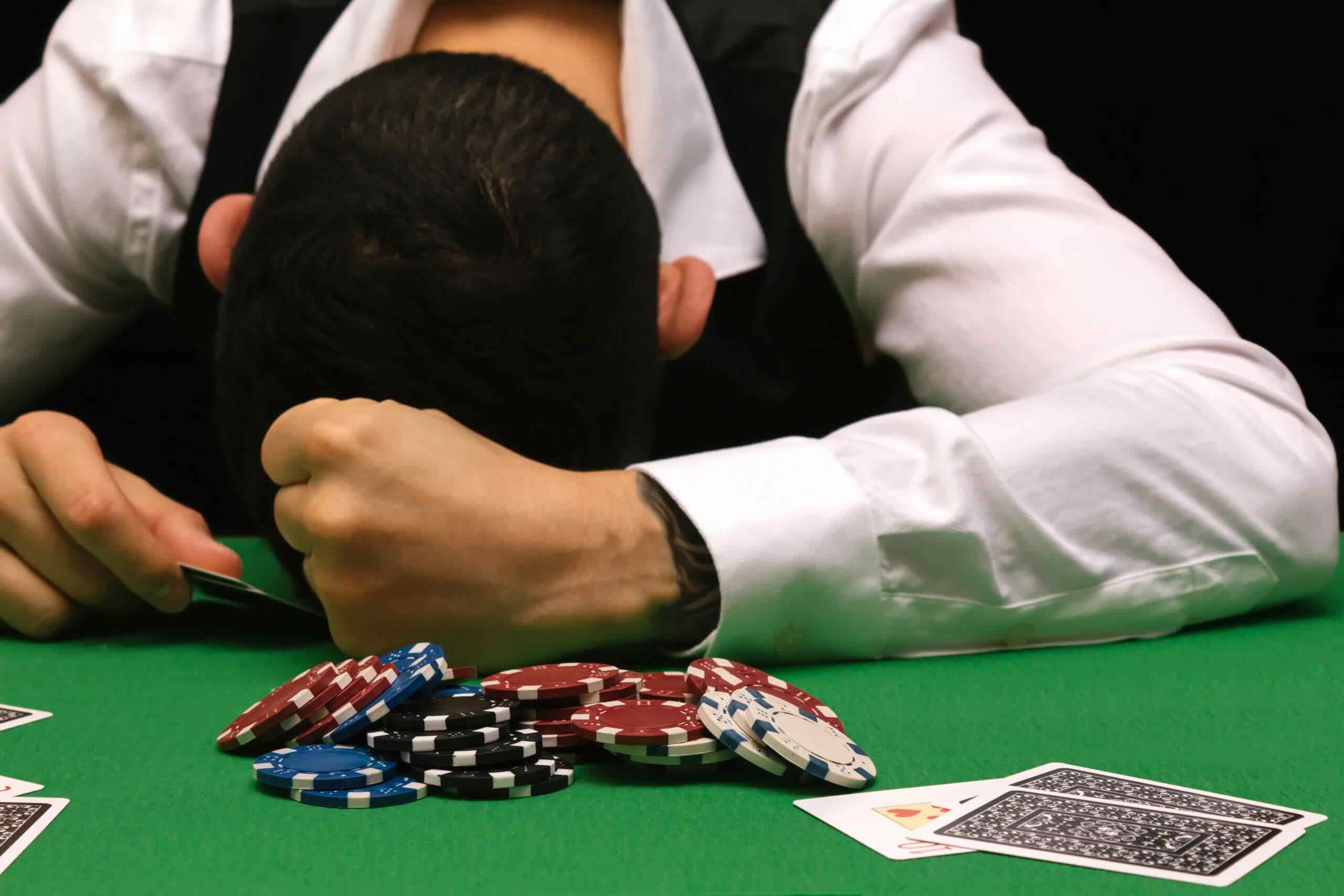
As the allure of casino games continues to captivate players, the importance of responsible gambling practices cannot be overstated. Players must be aware of their limitations and set personal boundaries to ensure that their gambling remains a form of entertainment rather than a source of stress. Casinos are increasingly acknowledging this need by promoting responsible gambling initiatives, offering tools and resources to help players manage their activity.
Additionally, platforms providing online resources and guidance for responsible gambling are vital. These resources can educate players about the psychological aspects of gambling and help them recognize when to seek assistance. A safe and supportive environment is essential for fostering positive player experiences and maintaining healthy attitudes towards gambling.